Plush Toy Industry Trends: What Entrepreneurs Need to Know
By LovelyJoy Editorial Team · Sourcing & Production Team, LovelyJoy
The Evolving Plush Toy Market
The global plush toy market continues to grow steadily, driven by shifting consumer preferences, new market segments, and innovative product concepts. According to industry reports, the worldwide stuffed and plush toy market is projected to reach over $15 billion by 2028, with a compound annual growth rate of approximately 7%. For entrepreneurs looking to enter or expand in this market, understanding the key trends shaping the industry is essential for making informed product and business decisions.
In this article, we explore the most significant trends transforming the plush toy industry and what they mean for your business strategy.
1. The Kawaii Aesthetic Goes Global
The Japanese concept of "kawaii" (cute) has evolved from a cultural phenomenon into a global design language that profoundly influences plush toy design worldwide. This aesthetic is characterized by:
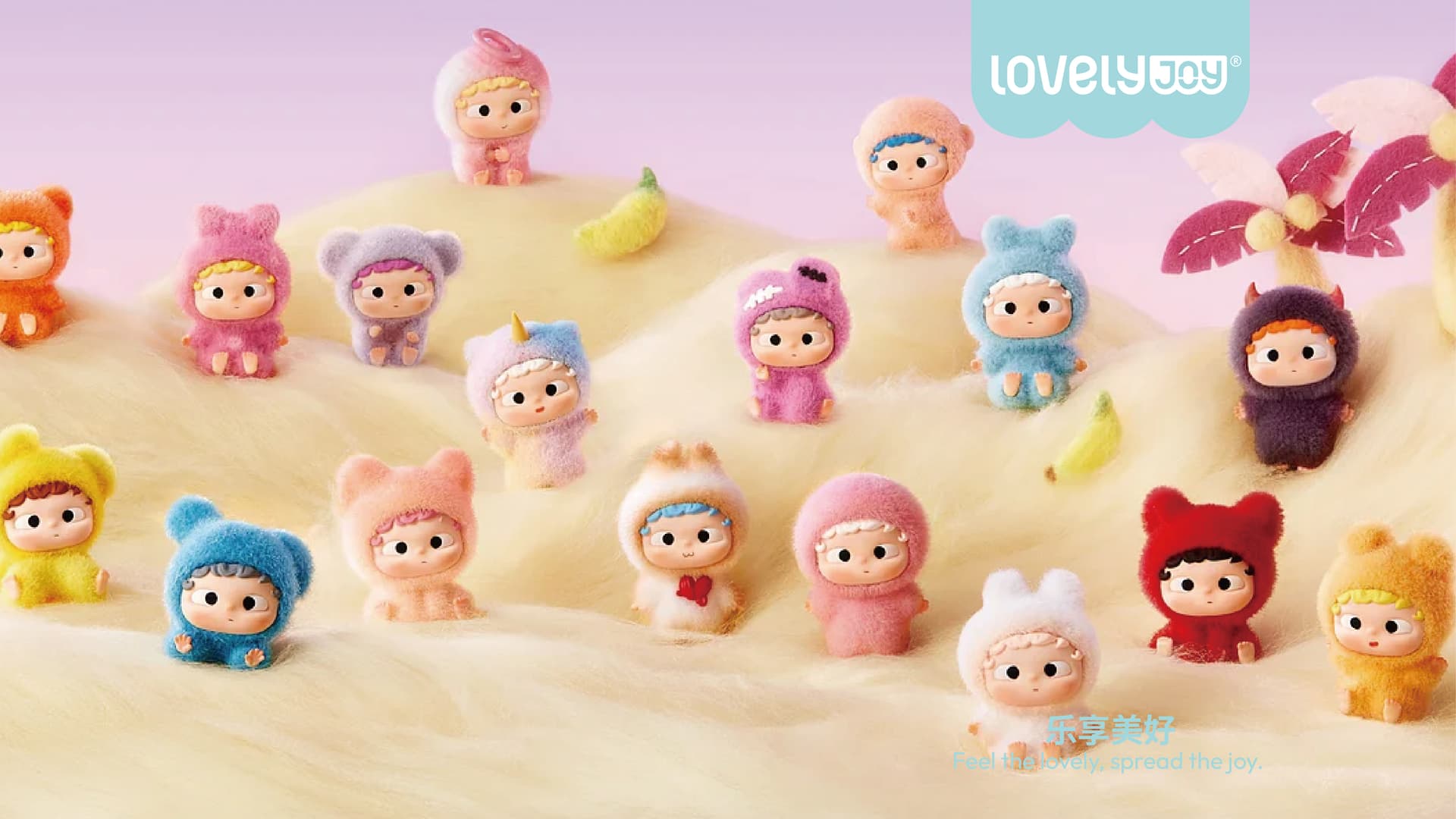
- Rounded, simplified forms: Characters with oversized heads, small bodies, and minimal facial features that trigger an instinctive nurturing response in consumers of all ages.
- Pastel color palettes: Soft pinks, lavenders, mint greens, and baby blues that create a calming, approachable visual identity.
- Cross-generational appeal: Unlike traditional toys marketed primarily to children, kawaii plush toys attract teenagers, adults, and collectors. This dramatically expands the addressable market for plush toy brands.
- Social media amplification: Kawaii products are inherently photogenic and shareable, driving organic marketing through platforms like Instagram, TikTok, and Xiaohongshu (Little Red Book). Brands that design with "shareability" in mind gain significant free exposure.
For entrepreneurs, the kawaii trend means that investing in appealing character design is more important than ever. Products that resonate emotionally with consumers will outperform those that rely solely on functional features.
2. Eco-Friendly and Sustainable Materials
Environmental consciousness is no longer a niche concern — it is a mainstream consumer expectation. The plush toy industry is responding with several sustainable innovations:
- Recycled polyester fabrics: Made from post-consumer PET bottles, recycled polyester offers the same softness and durability as virgin materials while reducing plastic waste. Many consumers, particularly in Europe and North America, actively seek products made from recycled materials.
- Organic cotton: For brands targeting the premium natural segment, organic cotton plush toys offer a chemical-free, biodegradable alternative. These products command higher price points and appeal to eco-conscious parents.
- Bamboo fiber: An emerging material in the plush toy industry, bamboo fiber is naturally antibacterial, hypoallergenic, and sustainably harvested. It provides a unique selling proposition for health-conscious consumers.
- Biodegradable fillings: Research into biodegradable alternatives to traditional PP cotton is progressing, with some manufacturers already offering corn-fiber or kapok-filled options.
- Reduced packaging: Minimalist packaging using recycled cardboard and eliminating unnecessary plastic is becoming standard practice among responsible brands.
Entrepreneurs who embrace sustainability early gain a competitive advantage as consumer preferences continue to shift. Certification programs like OEKO-TEX, GRS (Global Recycled Standard), and GOTS (Global Organic Textile Standard) provide credible verification of sustainability claims.
3. Licensed IP Collaborations
Collaborations between plush toy manufacturers and intellectual property holders (from entertainment, gaming, art, and social media) continue to drive significant market growth:
- Entertainment IP: Characters from animated movies, TV shows, and streaming content remain the largest category. The rise of streaming platforms has created a continuous pipeline of new characters seeking merchandise partnerships.
- Gaming IP: Video game characters, particularly from mobile and indie games, represent a fast-growing segment. The gaming community is highly engaged and willing to purchase physical merchandise of their favorite virtual companions.
- Artist and designer collaborations: Independent artists and designers with strong social media followings are increasingly partnering with manufacturers to create limited-edition plush collections. These collaborations combine artistic credibility with manufacturing expertise.
- Brand mascot programs: Companies across industries — from tech startups to food brands — are creating plush toy versions of their mascots for brand engagement, customer loyalty programs, and corporate gifts.
For entrepreneurs, IP licensing can be a double-edged sword. While licensed products benefit from built-in brand recognition and fan demand, licensing fees, minimum guarantees, and approval processes add complexity and cost. Consider starting with original IP that you fully own before exploring licensing opportunities.
4. Emotional Value and Wellness
Perhaps the most profound trend in the plush toy industry is the growing recognition of plush toys as emotional support objects, not just children's playthings:
- Anxiety and stress relief: Weighted plush toys, fidget-integrated designs, and tactile features (such as textured fabrics and squeezable fillings) are designed specifically to provide sensory comfort and anxiety relief.
- Emotional companionship: The concept of plush toys as emotional companions has gained mainstream acceptance, with adults openly purchasing and displaying plush toys as sources of comfort and self-expression.
- Therapeutic applications: Healthcare providers and therapists are increasingly using plush toys as therapeutic tools for children and adults dealing with trauma, loneliness, or developmental challenges.
- Personalization and storytelling: Custom plush toys that represent personal stories, memories, or loved ones (including pet memorial plush toys) are a growing segment that commands premium pricing and deep emotional connection.
Brands that authentically connect their products to emotional wellness — through thoughtful design, meaningful storytelling, and genuine care for their customers' well-being — will build the strongest and most loyal customer bases.
5. Direct-to-Consumer and Social Commerce
The distribution landscape for plush toys is evolving rapidly:
- DTC (Direct-to-Consumer) brands: Entrepreneurs are bypassing traditional retail channels to sell directly to consumers through their own websites and social media platforms. This model offers higher margins, direct customer relationships, and greater control over brand experience.
- Social commerce: TikTok Shop, Instagram Shopping, and live-stream selling (particularly popular in Asia) are creating new sales channels that combine entertainment with instant purchasing. Products that perform well in short-form video content have a significant advantage.
- Crowdfunding launches: Platforms like Kickstarter and Indiegogo have become popular launch channels for new plush toy brands and products, allowing creators to validate demand and fund production before committing to large inventory investments.
- Subscription boxes: Curated monthly plush toy subscription boxes create recurring revenue streams and build anticipation among collectors and enthusiasts.
Looking Ahead
The plush toy industry is in an exciting period of transformation. The convergence of emotional design, sustainable materials, digital commerce, and global cultural exchange is creating unprecedented opportunities for innovative entrepreneurs. Whether you are launching a new brand or expanding an existing product line, staying attuned to these trends will help you create products that resonate with consumers and stand out in an increasingly competitive market.
At LovelyJoy, we partner with brands of all sizes to bring trend-forward plush toy concepts to life. Our team stays current with industry developments and can advise on materials, designs, and production approaches that align with the latest market trends. Contact us to discuss how we can help you capitalize on these opportunities.